


The next time you say, things were better back then and someone responds to you saying that you’re just out of touch, ask them if they’ve lived through multiple decades and the changing of times and are still very much relevant in the present to even understand what you are talking about. When I make the statement that things were better in the past, I’m not discrediting things that are happening in the present but without the past, there is not present especially in the case of culture, art, music and the changing of technology. As some one who has always embraced technology and who is from the generation of records and cassettes, when having a VCR in your home was a luxury, when having a big screen TV in your home was truly a big screen TV that you had to buy from an audio / video specialist store and not this era of junk flat screen TV’s that you can buy at your local Walmart for $199. We had cable TV in the 80’s by the time 1994 came around, I had satellite dish when DirectTV was actually two companies, not one. DirectTV serviced some of your channels while USSB serviced the others. The original video game are of the late 1970’s with Atari and then the explosion of the arcade where youth, teens and adults alike gathered and helped to built and shape a community. I’ve been cool and about it before you could tell people on social media that you were cool and about it.
About 15 years back, I remember the wave of DJ’s who sold their records so that they could start DJ’ing digitally while at the same time talking shit about DJ’s that used CDJ’s because that wasn’t DJ’ing all while telling DJ’s who still played vinyl, that we were out of touch or behind the times. Now look, most of those same DJ’s are all trying to buy records again, specifically 45’s because of the wack trend that has plagued the scene as something new and cool but it was never not cool. Those same DJ’s are now flooding the trendy new HiFi bars just to play a bag full of horrible edits of tired 90’s Hip Hop and R&B that has been played to death back in the vinyl days, digital now and now regurgitated in the 45 era. To make things worse, the digital DJ purists that said that you had to play on turntables to be a real DJ have all one time or another played on a controller and now DJ’ing is even easier with being able to connect on you iPhone or iPad. I’m all for technology but at some point it has become a gimmick to say the least. I’ve had Serato since 2006 when it was Scratch Live and you had to carry your SL1 box around with you. I’ve used CDJ’s when you carried the Serato control CD’s, I’ve used a controller for corporate gigs because it’s just that much easier to setup when you’re not in a club setting, but I’ve never abandoned records and even when using Serato, I’ve always carried a bag of records with me. I’ve seen the DJ era from the late 70’s lens to the present and can honestly say, that DJ “culture” is only practiced and observed by a minority while calling yourself a DJ with no knowledge of actual culture is the majority.
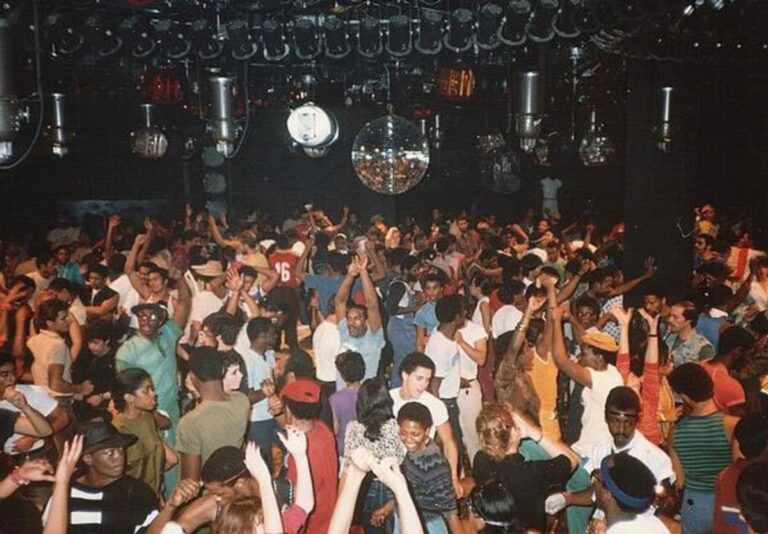
Speaking of music, I’ve been seeing multiple podcasts (which in my opinion has become part of the death of journalism with everyone suddenly having a platform to discuss things that they are unqualified to discuss) speaking about the dying or death of club culture. Many of these podcast seem to point out various reasons including the venues, owners and attendees but rarely to they point out the DJ’s which is a big part of why so called club culture is dying. Yes the pandemic plays a major roll in this happening along with venues being corporate or investment firm owned and not by those who were actually from the scene as was the case in the 1970’s and 80’s where you knew who the owner was. But DJ’s helped to kill culture by playing the same cliche’ sets or only playing the hits to keep people there and rarely ever breaking records as was the case in the past. Not every DJ has an ear but the great DJ’s have all championed breaking new records and making them anthems. Thinking outside of the box of how you’d like to tell a story and take the people on a musical journey was a unique experience. The DJ is who brought the people together and they trusted him in the process. At some point, the people began to dictate the experience, bottle service became the priority, being seen was more important than the music being heard and that has become the state of nightlife. Of course there are still pockets and scenes that feel more cultural than pop culture but as a whole, the club culture that once existed no longer does.
The changing of culture can have both positive and negative effects on some as with the case streaming services, both music and TV / film. Just like with record collectors, many who owned physical media sold their collections as streaming became the popular way to view and listen entertainment. But as we’ve seen in recent times especially with the case of SONY, you don’t actually own the content that you are streaming and that content can be taken away at any given time. The culture was in owning the physical product, the death of culture was these corporate companies convincing you that convenience was much better than actual ownership. In the last few years not only have we seen the spike in physical media purchases like vinyl, cassettes, Blu-Ray and books, but we’ve also see a decline in streaming content thats actually not worth streaming at all. TV series get one season and done, movies have become cliche’ yet people still feel the need to subscribe to multiple different services for different things. Even when it comes to the theater going experience, the big corporate chain theaters are all the same while the independents like Tarantino’s New Beverly Cinema (Los Angeles), the historic Hollywood Theater (Portland), The Gap (Pennsylvania), Colonial Theater (Pennsylvania) Philadelphia Film Society (Philadelphia) and even Drive-In theaters like The Mahoning (Pennsylvania), Shankweilers (Pennsylvania) are all being creative with their screening selections and curating amazing lineups for film lovers and building community that’s not possible with individuals sitting on their couches at home.
I started going comic conventions back in the late 70’s / early 80’s when 95% of the attendees were male with a handful of woman and the only cosplay before the term cosplay existed were woman dressed as Vampirella or Frank Thorne’s Red Sonja. During that same time, Star Trek and sci-fi conventions also had a following of people who were truly about sci-fi TV and movies. Conventions were held in hotel ballrooms and convention centers and you could buy an entry ticket for $5. There were no big sponsors, no Hollywood industry injected into the DNA and the attendees for those early conventions even up until the 90’s were the oddballs, the outcasts who weren’t seen as cool yet were all into something cool that eventually caught on to the rest of the public. But with everything that a small group sees as culture, corporations eventually come in and turn things into more of a circus with bigger ideas and with bigger ideas comes larger ticket prices as is the case with events like Comic Con where tickets can fetch $200+ and usually sell out instantly. No longer are the people who kept cons going over the years the majority in attendance, it’s everyone else that have jumped onto fandom and geekhood, the influencers who need to shoot content for their social media reels and the people who collect not for the pure love but for the profit margins or social media clout of saying that they were there. Rappers and actors suddenly on the convention floor pushing their product or brand when they’ve never had interest in comics or fandom in the past. it’s all a business now and every company wants a piece of it and will do collaborations with other brands just for the sake off making a profit. Is it a new culture, sure but is it a pure culture? Far from it.. It’s only pure in a business perspective and not in a cultural one.
The culture of something spans many different scenes, none of which are what they were initially intended to be or what helped build that culture. From Punk to Hip Hop, exploitation to B-movies and everything else that was started by a small group of believers that saw and appreciated things differently, culture will always exist in it’s purist form within a group a people who who continue to carry on tradition and lineage without the need of of being seen. There are always certain people in a particular scenes that carry a wealth of knowledge, have crazy collections or have been doing way before it became cool and as legendary rapper Biz Markie once said, “those are the people I be finding”. Is culture dead? Of course not, but it is dying a slow death in real time from what it once was which was something special to those who did it for the love and appreciation of it all. Foundational people are being labeled as gatekeepers because they’ve experienced things during simpler times. They’re considered purists as if that is a negative term because they actually love what they’re into. But to be honest, those who call others gatekeepers are those who came late to the table and want the easy route to something, something that took time for others to experience and live in real time as it was developing and happening.